Ethics of AI: Navigating Bias, Transparency, and Societal Impact
As AI advances, ethical issues related to bias, transparency, and societal implications are becoming more critical. Addressing these challenges is essential to ensuring AI remains fair, responsible, and beneficial to humankind.
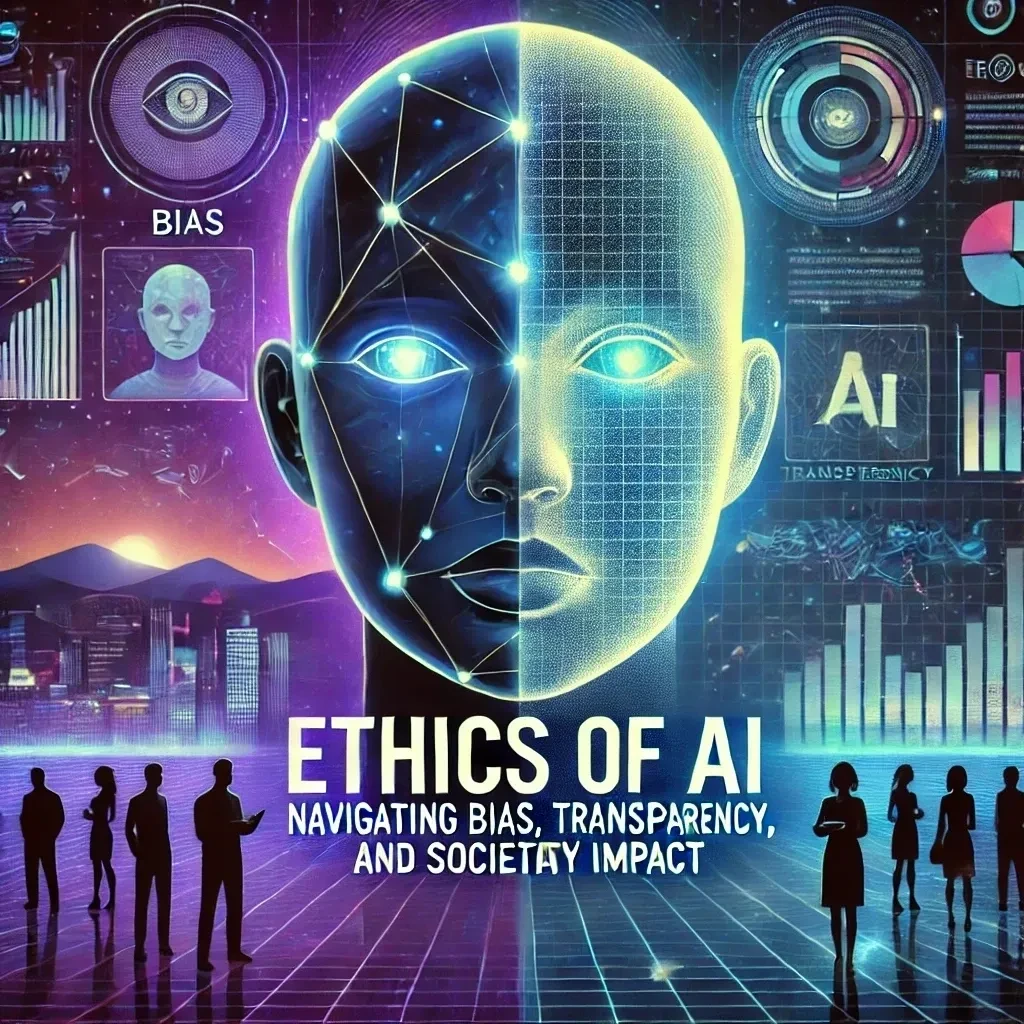
Artificial Intelligence is transforming businesses, influencing decision-making, and becoming a part of everyday life. Yet, as AI advances, ethical issues related to bias, transparency, and societal implications are becoming more critical. Addressing these challenges is essential to ensuring AI remains fair, responsible, and beneficial to humankind.
Bias in AI: The Challenge of Fairness
Understanding AI Bias
AI bias occurs when machine learning models adopt and potentially amplify existing prejudices present in the data they are trained on. This can lead to unintended yet harmful consequences, such as biased hiring algorithms, unfair credit assessments, or racial discrimination in facial recognition technology.
Because AI learns from historical data, it risks reinforcing systemic inequalities unless deliberate efforts are made to prevent such biases.
Strategies for Bias Mitigation
- Representative and Varied Datasets: Training AI models on data that reflects diverse demographics and perspectives can help minimise discrimination.
- Algorithmic Audits: Regularly reviewing AI models to detect and correct biases before deployment promotes fairness.
- Human Oversight: Integrating human judgement into AI-driven decision-making can help rectify errors and ensure ethical considerations are upheld.
Transparency: The Need for Explainable AI
The Black Box Problem
Many AI systems, particularly deep learning models, operate as "black boxes," making it difficult to understand the reasoning behind their decisions. This lack of transparency raises ethical concerns, especially in high-stakes fields like healthcare, law enforcement, and finance.
Strategies to Enhance Transparency
- Explainable AI (XAI): Developing techniques to interpret AI decisions allows users to understand and trust AI-driven outcomes.
- Regulatory Standards: Governments and institutions should establish guidelines that require AI developers to disclose how their models function.
- Open-Source Initiatives: Encouraging open-source AI development fosters accountability, facilitates peer review, and builds trust in AI systems.
Societal Implications of Autonomous Systems
AI and Jobs
AI-powered automation is reshaping the workforce. While AI boosts productivity, it also disrupts traditional job roles, making it crucial for policymakers to create proactive strategies — such as reskilling programmes and discussions on universal basic income (UBI) — to ensure economic stability.
AI in Governance and Surveillance
AI is increasingly being used in governance, from predictive policing to social credit systems. While these applications can enhance efficiency, they also pose risks to privacy and fundamental rights if misused. Striking a balance between security and civil liberties is essential.
Ethical AI for the Future
To maximise AI's benefits while minimising risks, developers, policymakers, and ethicists must collaborate to establish ethical frameworks for AI development. Organisations like the AI Ethics Lab and the Partnership on AI are actively contributing to the formation of global AI ethics standards.
Conclusion
AI presents immense opportunities but also significant ethical challenges that cannot be ignored. Addressing bias, improving transparency, and carefully evaluating AI's societal impact are crucial steps toward responsible AI development.
By prioritising ethical principles, we can unlock AI's full potential while ensuring fairness, accountability, and respect for human dignity.
Explore Topics
Written by
Madeshwaran Kotteswaran
Content creator and writer sharing insights and stories.